How to Make Money Using Digital Products in 2026
The digital product revolution isn't coming—it's already here. In 2026, creators, entrepreneurs, and side hustlers are discovering what many have known for years: digital products offer one of the most scalable and profitable business models available.
Unlike physical goods, digital products require no inventory, no shipping logistics, and can be sold infinitely without manufacturing costs. If you're looking to build a revenue stream that works while you sleep, digital products might be your answer.
Why Digital Products Are Thriving in 2026
The landscape for digital products has matured significantly. With global internet penetration reaching unprecedented levels and consumer comfort with digital purchases at an all-time high, the barriers to entry have never been lower. People are actively seeking digital solutions for education, entertainment, productivity, and personal development. The infrastructure—from payment processors to content delivery networks—has become so streamlined that virtually anyone can launch a digital product business from their laptop.
What makes 2026 particularly exciting is the convergence of AI tools, no-code platforms, and sophisticated marketing automation. You no longer need to be a programmer or designer to create professional-grade digital products. The democratization of creation tools means your ideas can become reality faster and cheaper than ever before.
🚀 2026 Advantage
The convergence of AI tools, no-code platforms, and marketing automation means you can create professional digital products without technical skills or massive budgets. The creator economy has truly been democratized.
The Most Profitable Digital Product Categories
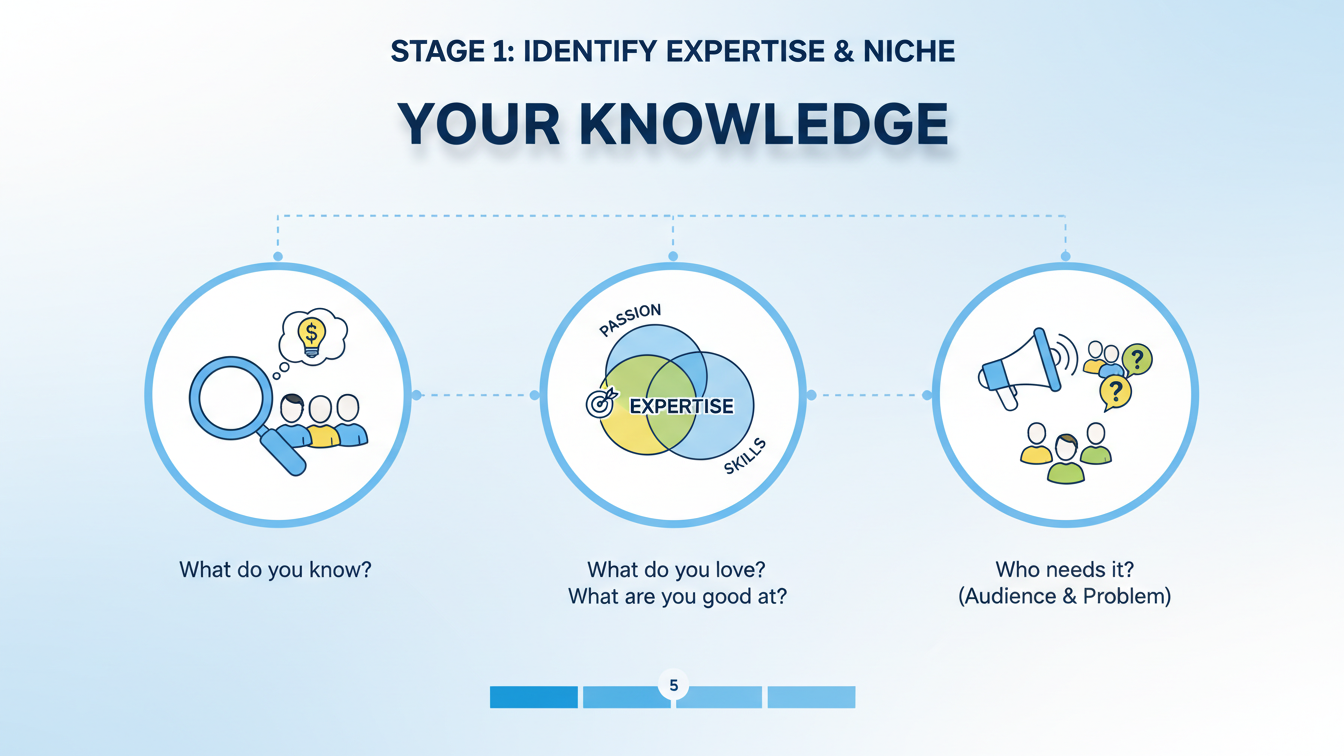
The six most profitable digital product types offering scalability, passive income, and creative freedom
Online Courses and Educational Content
The e-learning market continues its explosive growth. People are willing to invest in their education, especially when it promises practical skills or career advancement. Whether you're teaching photography, coding, marketing, language learning, or even niche hobbies like urban gardening, there's an audience waiting. Platforms like Teachable, Thinkific, and Kajabi make course creation accessible, while you retain control over pricing and branding.
Digital Templates and Tools
Professionals and businesses constantly need templates—from Notion dashboards and spreadsheet calculators to resume templates and social media content calendars. If you can identify a repetitive task in any industry and create a template that simplifies it, you've found a viable product. Designers are making substantial income selling Canva templates, Figma UI kits, and website themes.
E-books and Guides
Don't underestimate the power of the written word. Comprehensive guides, how-to manuals, and specialized e-books continue to sell well. The key is solving a specific problem or addressing a knowledge gap. Self-publishing has never been easier, with platforms like Amazon KDP offering global distribution, or you can sell directly through your own website for higher profit margins.
Software and Apps
If you have technical skills—or can partner with someone who does—creating software as a service (SaaS) products, mobile apps, or browser extensions can generate recurring revenue. Even simple productivity tools or specialized calculators can find paying users if they solve a real problem effectively.
Digital Art and Assets
From stock photos and videos to illustrations, music, sound effects, and 3D models, creative assets are in constant demand. Content creators need fresh material, and many prefer paying for quality assets over creating everything from scratch.
Membership Sites and Subscription Content
Recurring revenue is the holy grail of digital products. Whether it's exclusive content, premium community access, ongoing training, or curated resources, subscription models provide predictable income and build loyal customer relationships.
💎 Top Digital Product Categories
📚 Online Courses
Teach skills and earn $1,000-$10,000+/month
📝 Templates & Tools
Solve repetitive tasks, earn $500-$5,000+/month
📖 E-books & Guides
Share expertise, earn $300-$3,000+/month
💻 Software & Apps
Build recurring income, $2,000-$50,000+/month
🎨 Digital Assets
Creative work, earn $500-$8,000+/month
🔄 Memberships
Recurring revenue, $1,000-$20,000+/month
Getting Started: Your Digital Product Launch Blueprint
Identify Your Expertise and Audience
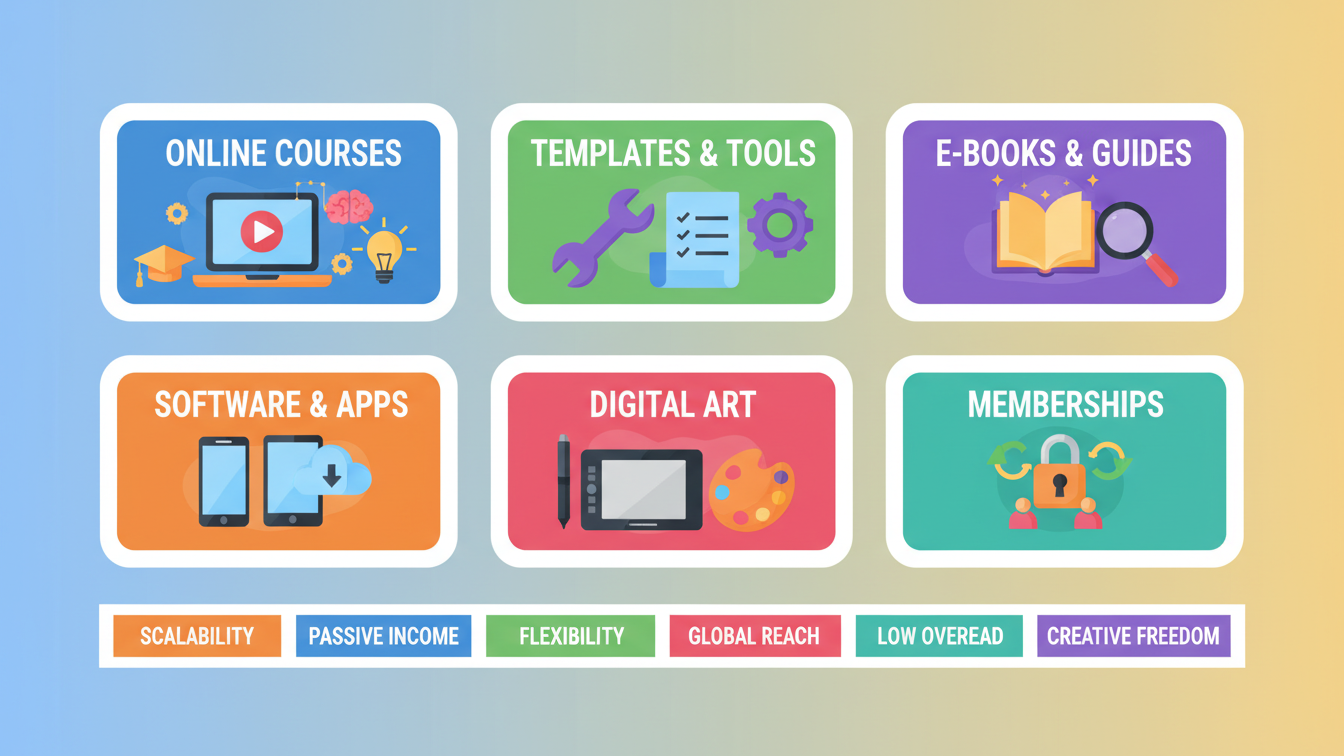
Find the intersection of what you know, what you love, and what people need
Start with what you know. What skills have you developed? What problems have you solved? What do people ask you about repeatedly? Your digital product should sit at the intersection of your knowledge and someone else's need. Research your target audience thoroughly—join online communities, read forum discussions, analyze competitor reviews to understand pain points.
Validate Before You Build
Don't spend months creating something nobody wants. Test your concept first. Create a landing page describing your product, share it with your target audience, and gauge interest. Pre-sell your course or e-book before it's fully complete. Early feedback is invaluable and validates whether people will actually pay for your solution.
Create High-Quality Content
Quality matters more than ever in a crowded marketplace. Your digital product should deliver genuine value and exceed expectations. Invest time in making your content clear, comprehensive, and actionable. Poor quality might generate initial sales, but refunds and negative reviews will kill your long-term potential.
Choose the Right Platform
Consider where you'll host and sell your product. Marketplaces like Gumroad, Etsy (for certain digital products), or Creative Market offer built-in audiences but take a percentage of sales. Self-hosting through WordPress with e-commerce plugins or dedicated platforms gives you more control and higher margins but requires you to drive your own traffic.
Price Strategically
Research competitor pricing, but remember that pricing communicates value. Don't automatically go for the lowest price. Consider the transformation or time-savings your product provides. Many successful creators find that raising prices actually increases sales by positioning their products as premium solutions.
🎯 Launch Blueprint Checklist
- Identify Your Expertise - What skills and knowledge do you possess?
- Research Your Audience - Who needs your solution and what are their pain points?
- Validate Your Idea - Test with landing pages and pre-sales before building
- Create Quality Content - Deliver exceptional value that exceeds expectations
- Choose Your Platform - Select hosting and sales channels strategically
- Price for Value - Don't compete on price; communicate transformation
- Launch and Iterate - Get it out there and improve based on feedback
Marketing Your Digital Products
Creating a great product is only half the battle. You need to drive traffic and convert visitors into customers. Build an email list from day one—it's your most valuable marketing asset. Create valuable free content that demonstrates your expertise and naturally leads to your paid product. Use social media strategically, focusing on platforms where your target audience actively engages.
Content marketing through blog posts, YouTube videos, or podcasts establishes authority and attracts organic traffic. Collaborate with other creators in your niche for cross-promotion. Consider paid advertising once you've validated your product and understand your customer acquisition costs.
📢 Marketing Strategies That Work
Build your list from day one - it's your most valuable asset
Blogs, videos, podcasts that demonstrate expertise
Focus on platforms where your audience actively engages
Partner with creators for cross-promotion opportunities
Scale after validating product and understanding CAC
Lead magnets and samples that naturally lead to paid products
🛠️ Essential Platforms & Tools
Course Platforms
- Teachable
- Thinkific
- Kajabi
- Podia
Sales Platforms
- Gumroad
- Creative Market
- Etsy
- WooCommerce
Email Marketing
- ConvertKit
- Mailchimp
- ActiveCampaign
- Flodesk
Design Tools
- Canva
- Figma
- Adobe Creative Cloud
- Notion
The Path Forward
Making money with digital products in 2026 is less about having revolutionary ideas and more about consistent execution. Start small, learn from customer feedback, and iterate. Your first product doesn't need to be perfect—it needs to be launched. Many successful digital product entrepreneurs started with simple offerings and gradually built empires through persistence and continuous improvement.
The beauty of digital products lies in their scalability and passive income potential. Once created, they can generate revenue indefinitely with minimal ongoing effort. In 2026's creator economy, your knowledge, skills, and creativity are your most valuable assets. Package them into digital products, and you'll build a business that provides both financial freedom and the satisfaction of helping others solve real problems.
🎯 Ready to Launch Your Digital Product?
Your knowledge is valuable. Your skills are marketable. Your ideas can become profitable digital products. The only thing missing is action—start today!
💡 Key Takeaways
- ✅ Digital products offer infinite scalability with zero inventory costs
- ✅ 2026's tools make creation accessible to non-technical creators
- ✅ Validate ideas before building to ensure market demand
- ✅ Quality content and strategic pricing create sustainable income
- ✅ Email marketing and content creation drive long-term sales
- ✅ Start small, launch fast, and iterate based on feedback
- ✅ Package your expertise to help others while building passive income
Found this guide helpful? Share it with other creators!